作者/Author(s): Raja Krishnamoorthi
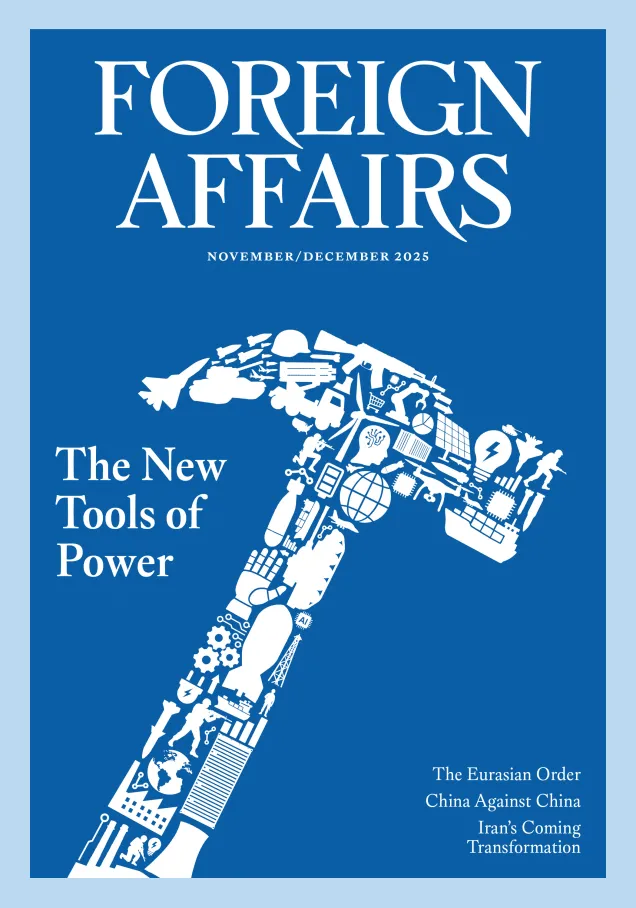
網站來源/Source: Foreign Affairs
日期/Date: 11/28/2025
關鍵字/Keywords: 國際政治、川普、美國
摘要:
川普稱川習會是一次「巨大成功」,他獲得了北京諸多0讓步。實際上,中國僅作出微不足道的妥協,便換取美國在出口管制、貿易及造船領域的大幅鬆綁。川普誤解、低估了習近平與中共的野心,使美國對中國及其盟友的政策陷入混亂。川普政府不但沒有提升自我、超越中國,反而限制了自身的潛力,強化了最接近的競爭對手的實力。
- 當川普2.0政府上任時,他承諾要與北京談判,促成北京推動現有非自由經濟政策的結構性改革。為達成這項目標,美國對中國發動了一場注定失敗的貿易戰,卻在遭遇北京反制後臨陣退縮,轉而尋求和解。美國政府唯一取得的勝利,竟是雙方暫停經濟懲罰措施。
- 儘管貿易休戰可以緩解美國人的壓力,但中國承諾採購美國商品(例如大豆)的數量仍低於去年。北京承諾繼續出口關鍵礦物雖對美國有利,卻也換來美國暫停對中國船舶徵收港口費及放寬技術出口管制。總而言之,川普以美國的國家安全與經濟領導地位,交換了北京極小的讓步。
- 川普的交易式外交可能危及台灣的生存。川普政府尚未正式放棄台灣,但可能會為了討好北京、維持脆弱的貿易休戰而這麼做。川普亦考慮向台灣「兜售」美國保護,但台灣民眾對美方履行承諾的能力與決心存疑。
- 川普對習近平明顯的好感,可能使美國民眾更傾向接納北京。更甚者,川普壓制了行政部門及其他政府與非政府機構對中國的批評。川普對北京的友善態度恐造成美國對中共政權的錯誤認知,並削弱了保護美國免受北京威脅的政策的力量。
Summary:
Trump boasted his meeting with Xi a “great success” and gained many concessions from Beijing. In reality, however, China made insignificant compromises to secure large relaxations of export controls, trade, and shipbuilding from the US. Trump’s miscomprehension and underestimation of Xi, the CCP, and their ambitions muddled the US’s approach on China and its allies. Instead of bolstering itself and outcompeting China, the Trump administration now restricts its potential while empowering its closest rival in the process.
- When Trump assumed his second tenure, his administration promised to negotiate a structural change to Beijing’s illiberal economy policies. To achieve its aims, the administration launched an unwinnable trade war against China, which it chickened out after Beijing’s retaliation and sought peace. The only victory that the US administration secured is a suspension of economic punishments from both sides.
- Although the trade truce could alleviate the Americans, China’s commitment to purchase US goods, for instance, soybeans, had fallen short from previous year. Beijing’s promise to continue critical mineral exports also benefits the US, but it also received a pause of US port fees for Chinese ships and scaled-down technological export controls. In short, Trump traded the US national security and economic leadership for a meager concessions from Beijing.
- Trump’s transnationalism may jeopardize Taiwan’s survival. The Trump administration had not formally abandoned Taiwan, but it may do so to curry favor with Beijing and maintain a fragile trade truce. Trump is also considering to “sell” American protection to Taiwan, but Taiwanese had doubted the US’s ability and commitment to do so.
- Finally, Trump’s unambiguous fondness for Xi may make Americans more receptive toward Beijing. Furthermore, Trump had suppressed criticisms from the executive branch and other government and non-government institutions on China. The warmth towards Beijing creates a misconception of the CCP regime and undermines support for policies required to protect the US from Beijing.